In short
- May to October are the best months.
- Morning tours beat the afternoon heat.
- Wear breathable clothes and bring water.
In this article
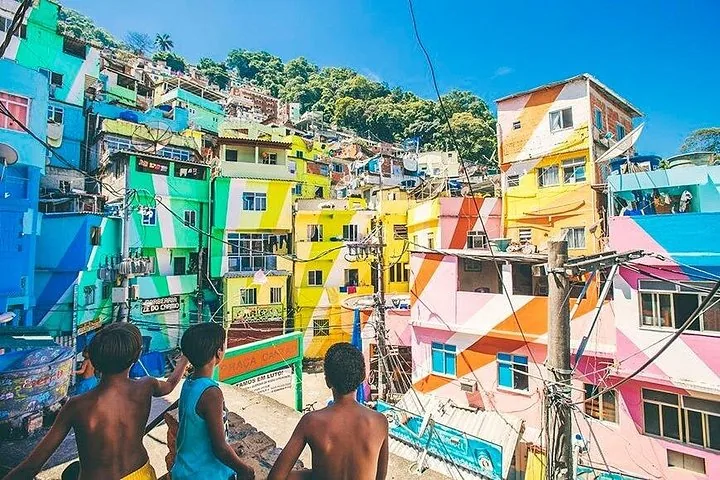
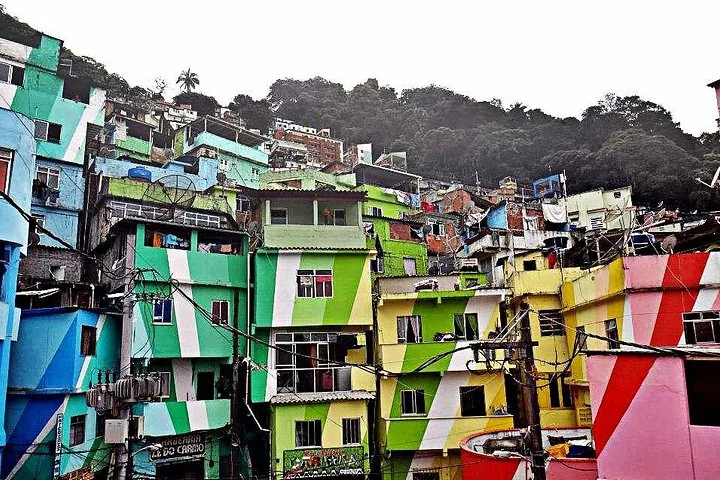
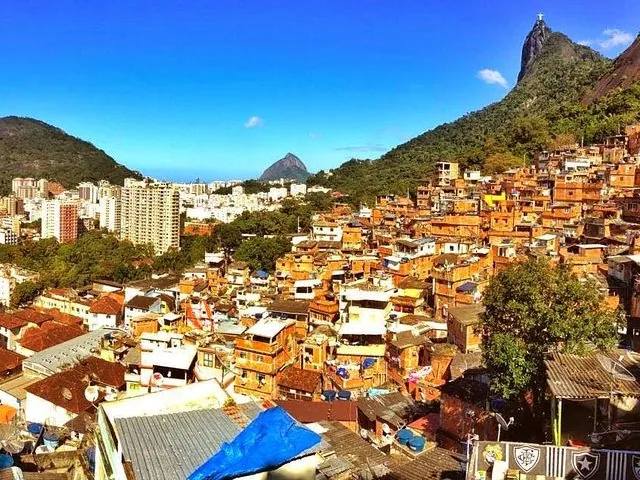
Favela Santa Marta sits on a 45-degree slope in Rio de Janeiro. Climbing its steep stairs requires effort. Choosing the right time to visit helps you avoid peak heat and heavy rain, making your tour much more comfortable. Here is how to pick the best time for your Tickets.
What are the best months to visit Favela Santa Marta?
The best months are the drier and slightly cooler months from May to October.
During these months, Rio experiences less rainfall and lower humidity. This makes climbing the stairs to an altitude of 352 meters (1,155 feet) much easier. The risk of sudden heavy downpours is also lower.
When is the worst time to visit?
The summer months from December to March are hot, humid, and rainy.
Rio's summer heat can make climbing the favela exhausting. Heavy rains are common during these months. If you visit between December and March, pack a light rain jacket or poncho and be prepared for high humidity.
What time of day is best for a tour?
Morning tours are best to avoid the midday sun and afternoon heat.
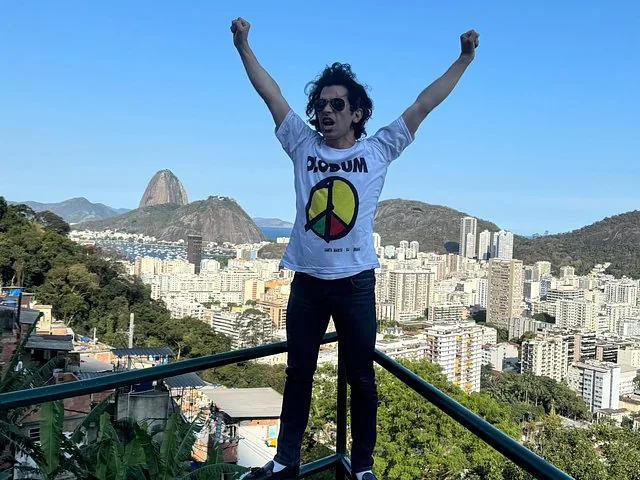
Starting early means you complete the most strenuous parts of the climb before the sun reaches its peak. The upper viewpoints, like Mirante do Pedrão, are exposed to direct sunlight. A morning visit also leaves your afternoon free for other Rio activities.
How long do tours take?
The standard duration of a guided walking tour is between 2 and 3.5 hours.
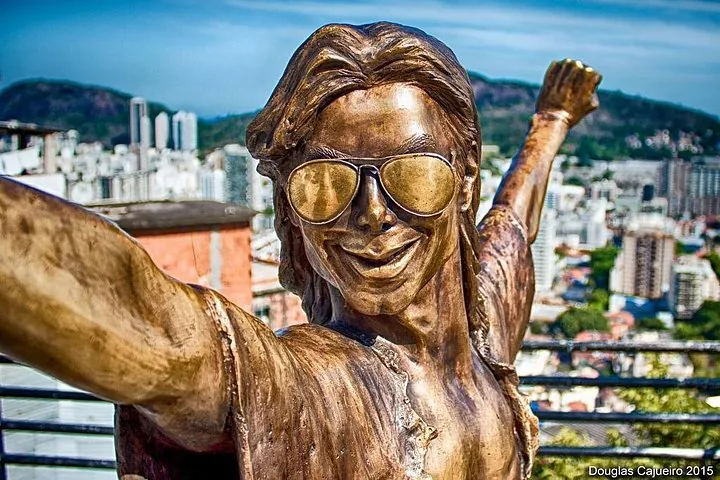
Tours involve walking up steep stairs and stopping at points of interest. You will visit the Michael Jackson statue, local shops, and social projects. Allow at least three hours in your schedule for a relaxed pace.
| Tour Length | What to Expect |
|---|---|
| 2 hours | A quicker pace, covering main spots like the Michael Jackson Space. |
| 3+ hours | More time for viewpoints, social projects, and local interaction. |
What happens if it rains?
Tours usually proceed in light rain, but the stairs can become slippery.
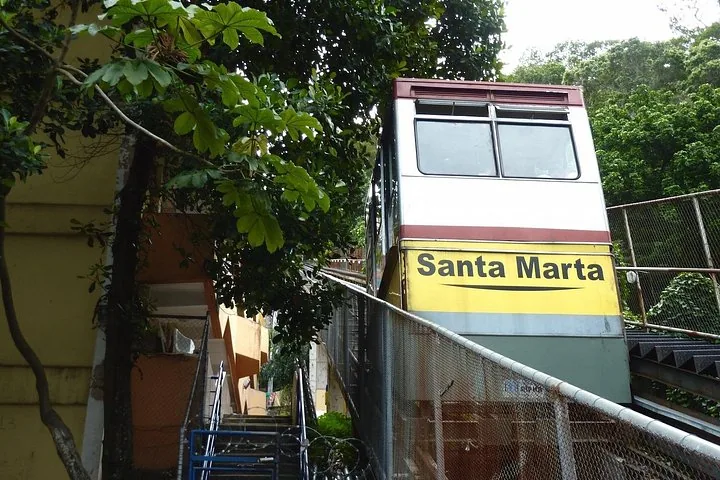
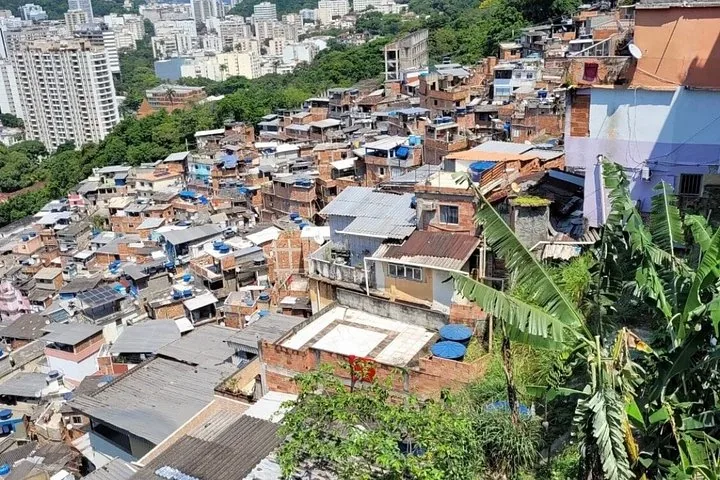
If the free cable car is out of service, you will have to walk up the 45-degree slope. Wear sturdy, closed-toe shoes with good grip. Heavy storms might cause delays or cancellations for safety reasons.
What should I pack for the weather?
Bring lightweight clothing, sunscreen, and a reusable water bottle.
- Lightweight, breathable clothing suitable for tropical heat.
- Sunscreen and a hat for the exposed upper viewpoints.
- A small daypack to keep your hands free.
- Insect repellent, especially near the forested edges.
Questions travellers ask
Is the Favela Santa Marta cable car free?
Yes, the funicular cable car is free for both residents and visitors. However, if it is out of service, be prepared for a strenuous climb up steep stairs.
Do I need a guide to visit?
Yes, tourists are highly advised to only visit via guided tours led by locals. Never attempt to wander the favela alone.
Are there shops inside the favela?
Yes, there are small, community-run shops and bakeries. You can purchase bottled water and snacks using small denominations of Brazilian Reais (cash).